This post contains Amazon affiliate links. If you click through and make a purchase, I will receive a small compensation at no extra cost to you. This helps keep my blog ad-free.
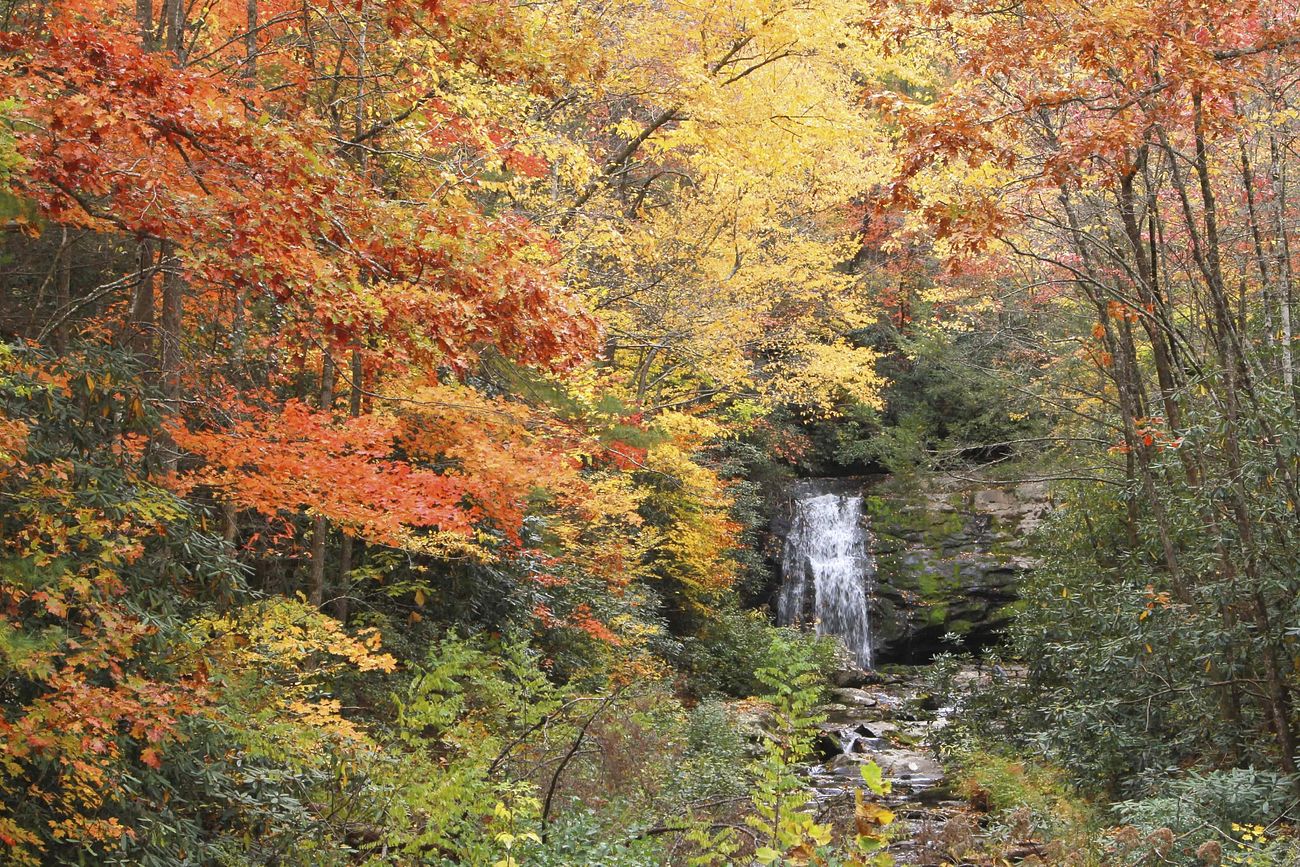
Novemberby William Cullen Bryant
Yet one smile more, departing, distant sun!
One mellow smile through the soft vapory air,
Ere, o'er the frozen earth, the loud winds run,
Or snows are sifted o'er the meadows bare.
One smile on the brown hills and naked trees,
And the dark rocks whose summer wreaths are cast,
And the blue gentian flower, that, in the breeze,
Nods lonely, of her beauteous race the last.
Yet a few sunny days, in which the bee
Shall murmur by the hedge that skirts the way,
The cricket chirp upon the russet lea,
And man delight to linger in thy ray.
Yet one rich smile, and we will try to bear
The piercing winter frost, and winds, and darkened air.
You can find this poem in Poems. Complete in One Volume.
Photo by Reynaldo #brigworkz Brigantty on Pexels.com
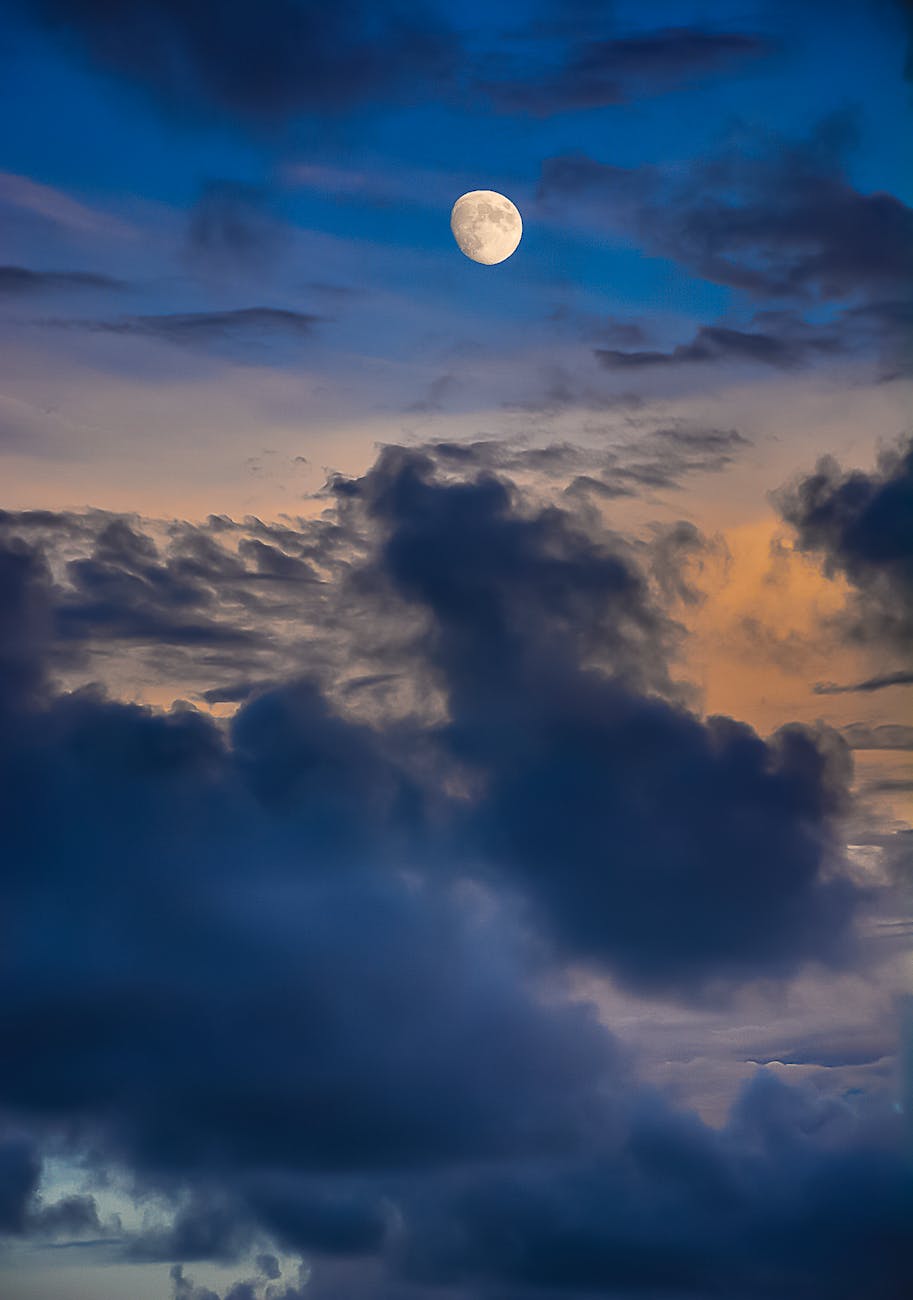
Moon Tonightby Gwendolyn Bennet
Moon tonight,
Beloved . . .
When twilight
Has gathered together
The ends
Of her soft robe
And the last bird-call
Has died.
Moon tonight—
Cool as a forgotten dream,
Dearer than lost twilights
Among trees where birds sing
No more.
Find this poem on Poets.org.
The Things That Countby Ella Wheeler Wilcox
Now, dear, it isn’t the bold things,
Great deeds of valour and might,
That count the most in the summing up of life at the end of the day.
But it is the doing of old things,
Small acts that are just and right;
And doing them over and over again, no matter what others say;
In smiling at fate, when you want to cry, and in keeping at work when you want to play—
Dear, those are the things that count.
And, dear, it isn’t the new ways
Where the wonder-seekers crowd
That lead us into the land of content, or help us to find our own.
But it is keeping to true ways,
Though the music is not so loud,
And there may be many a shadowed spot where we journey along alone;
In flinging a prayer at the face of fear, and in changing into a song a groan—
Dear, these are the things that count.
My dear, it isn’t the loud part
Of creeds that are pleasing to God,
Not the chant of a prayer, or the hum of a hymn, or a jubilant shout or song.
But it is the beautiful proud part
Of walking with feet faith-shod;
And in loving, loving, loving through all, no matter how things go wrong;
In trusting ever, though dark the day, and in keeping your hope when the way seems long—
Dear, these are the things that count.
Find this poem at Poets.org
This post contains Amazon affiliate links. If you click through and make a purchase, I will receive a small compensation at no extra cost to you. This helps keep my blog ad-free.
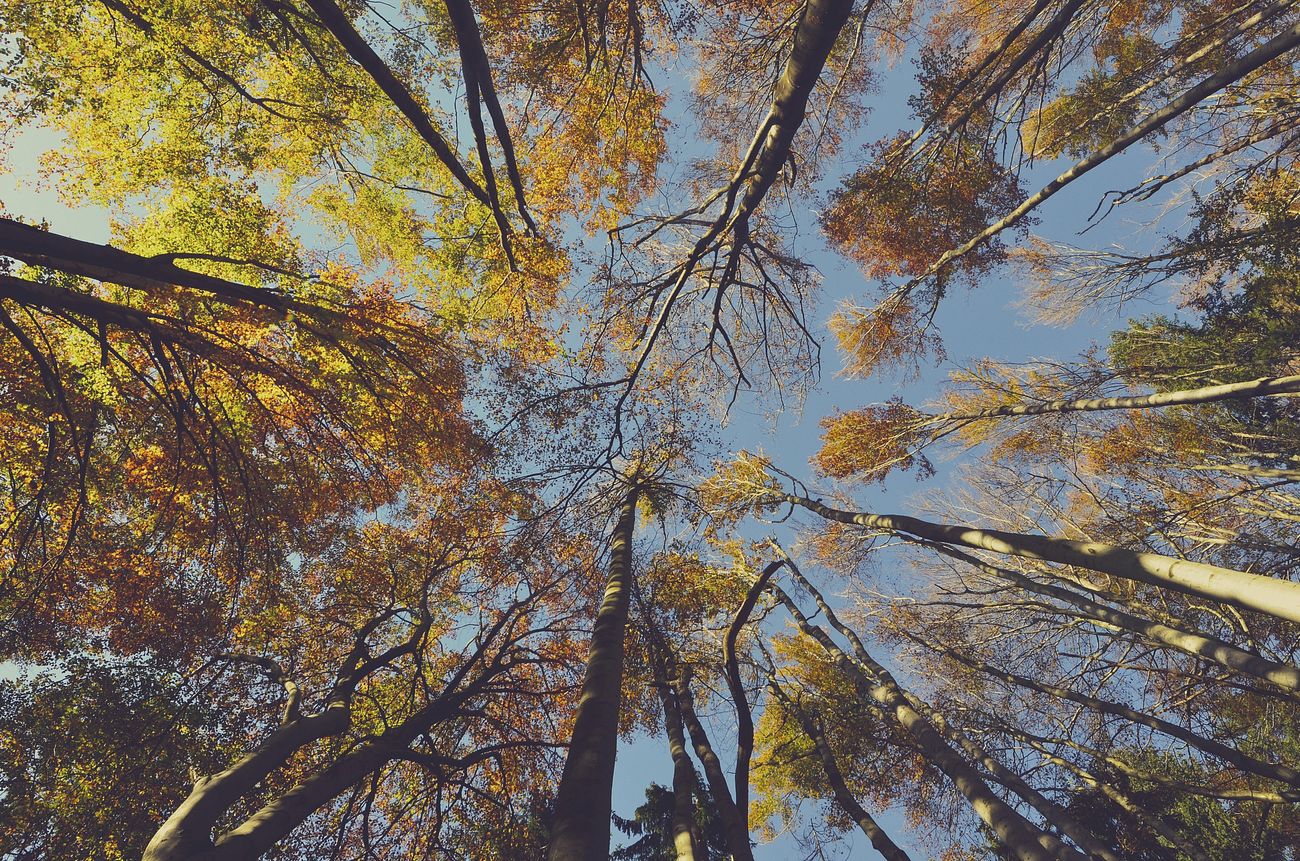
Beechesby David St. John
The forest is its own thanksgiving
Walking a mile or so from the road
Past the lake & ancient post office
I skim the long bodies of the beech trees
The elegant ascension of their slender trunks
A kind of gorgeous illusory play
Of white bars against the dark ochre matting
Of the earth below
Peace is where you find it
As here the last secret of the dawn air mixes
With a nostalgia so perfumed by misery
Only the rhythm of the walk itself
Carries me beyond the past
To say I miss you is to say almost nothing
To say the forest is the sanctuary of ghosts
Is only the first step of my own giving way—
Not the giving up—just the old giving thanks
You can find this poem in The Red Leaves of Night.
This post contains Amazon affiliate links. If you click through and make a purchase, I will receive a small compensation at no extra cost to you. This helps keep my blog ad-free.
A Song For Merry Harvest
by Eliza Cook
Bring forth the harp, and let us sweep its fullest, loudest string.
The bee below, the bird above, are teaching us to sing
A song for merry harvest; and the one who will not bear
His grateful part partakes a boon he ill deserves to share.
The grasshopper is pouring forth his quick and trembling notes;
The laughter of the gleaner’s child, the heart’s own music floats.
Up! up! I say, a roundelay from every voice that lives
Should welcome merry harvest, and bless the God that gives.
The buoyant soul that loves the bowl may see the dark grapes shine,
And gems of melting ruby deck the ringlets of the vine;
Who prizes more the foaming ale may gaze upon the plain,
And feast his eye with yellow hops and sheets of bearded grain;
The kindly one whose bosom aches to see a dog unfed
May bend the knee in thanks to see the ample promised bread.
Awake, then, all! ’tis Nature’s call, and every voice that lives
Shall welcome merry harvest, and bless the God that gives.
You can find this poem inMelaia and Other Poems.
This post contains Amazon affiliate links. If you click through and make a purchase, I will receive a small compensation at no extra cost to you. This helps keep my blog ad-free.
Perhaps the World Ends Here
by Joy Harjo

The world begins at a kitchen table. No matter what, we must eat to live.

The gifts of earth are brought and prepared, set on the table. So it has been since creation, and it will go on.

We chase chickens or dogs away from it. Babies teethe at the corners. They scrape their knees under it.

It is here that children are given instructions on what it means to be human. We make men at it, we make women.

At this table we gossip, recall enemies and the ghosts of lovers.

Our dreams drink coffee with us as they put their arms around our children. They laugh with us at our poor falling-down selves and as we put ourselves back together once again at the table.

This table has been a house in the rain, an umbrella in the sun.

Wars have begun and ended at this table. It is a place to hide in the shadow of terror. A place to celebrate the terrible victory.

We have given birth on this table, and have prepared our parents for burial here.

At this table we sing with joy, with sorrow. We pray of suffering and remorse. We give thanks.

Perhaps the world will end at the kitchen table, while we are laughing and crying, eating of the last sweet bite.

You can find this poem in The Woman Who Fell From the Sky.
This post contains Amazon affiliate links. If you click through and make a purchase, I will receive a small compensation at no extra cost to you. This helps keep my blog ad-free.
When Giving Is All We Have
by Alberto Ríos

                                              One river gives
                                              Its journey to the next.

We give because someone gave to us.
We give because nobody gave to us.

We give because giving has changed us.
We give because giving could have changed us.

We have been better for it,
We have been wounded by it—

Giving has many faces: It is loud and quiet,
Big, though small, diamond in wood-nails.

Its story is old, the plot worn and the pages too,
But we read this book, anyway, over and again:

Giving is, first and every time, hand to hand,
Mine to yours, yours to mine.

You gave me blue and I gave you yellow.
Together we are simple green. You gave me

What you did not have, and I gave you
What I had to give—together, we made

Something greater from the difference.

You can find this poem in A Small Story About the Sky.
Samhainby Annie Finch
(The Celtic Halloween)
In the season leaves should love,
since it gives them leave to move
through the wind, towards the ground
they were watching while they hung,
legend says there is a seam
stitching darkness like a name.
Now when dying grasses veil
earth from the sky in one last pale
wave, as autumn dies to bring
winter back, and then the spring,
we who die ourselves can peel
back another kind of veil
that hangs among us like thick smoke.
Tonight at last I feel it shake.
I feel the nights stretching away
thousands long behind the days
till they reach the darkness where
all of me is ancestor.
I move my hand and feel a touch
move with me, and when I brush
my own mind across another,
I am with my mother's mother.
Sure as footsteps in my waiting
self, I find her, and she brings
arms that carry answers for me,
intimate, a waiting bounty.
"Carry me." She leaves this trail
through a shudder of the veil,
and leaves, like amber where she stays,
a gift for her perpetual gaze.
Find this poem on the Poetry Foundation website.
This post contains Amazon affiliate links. If you click through and make a purchase, I will receive a small compensation at no extra cost to you. This helps keep my blog ad-free.
I don’t often read a book in one or two sittings, but October, October by Katya Balen was so good I had to. It arrived toward the end of last week and I starting reading it last night because it was already the 30th of October. This morning one of our cats woke me up at 5:45 so I stayed in bed and finished it.
This novel is written from the POV of October. I appreciated this single narrative as so many books these days skip backward and forward in time with different narrators which can be confusing. October lives in the woods with her dad. Her mother left when she was four and October’s never forgiven her. She fiercely loves her wild life with her dad, relishing everything from cold dips in the pond to climbing trees, cooking over an open fire, and growing their own food. On her eleventh birthday, her dad has an accident and she has to go live with her mother in London.
The story is told from the perspective of this sensitive young girl who just like any wild thing feels overwhelmed and out of place surrounded by walls, traffic noise, crowds of people, rules, clocks, etc. She misses her father and doesn’t know, like, or appreciate her mother, so she feels dreadfully alone and afraid. Her descriptions of how she is feeling when she’s overwhelmed by fear or anger or the noises and sensory input around her will probably be relatable to people who are highly sensitive.
This is a story of letting go of old and hurtful stories that we tell ourselves, how to see things differently, that new beginnings and new stories are possible, and that even in dark or confusing times, beauty, hope, friendship, and wild adventures can happen. It’s a story of changing, growing up, forgiveness of oneself and others, and a reminder that love surrounds us if we open to it.
I highly recommend October, October to lovers of exceptional stories with a vibrant protagonist you can root for and a feel-good, redemptive, sensible ending, those who enjoy YA or books in the 9-12 year old range. It won a Yoto Carnegie Medal in the UK and, if you like owls, this book features one. I won’t tell you more than that. Happy reading! If you’ve read it already, please share in comments!!
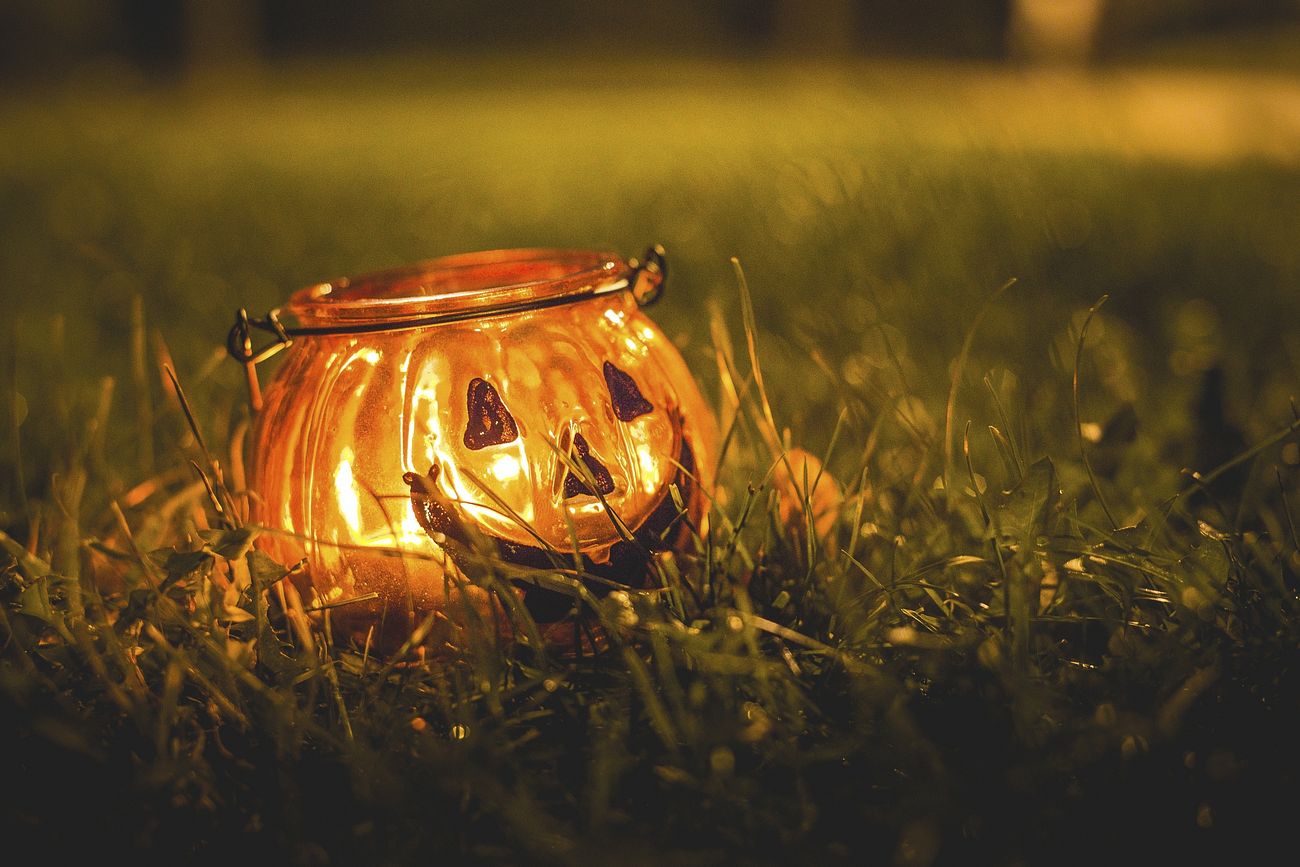
Theme in Yellowby Carl Sandburg
I spot the hills
With yellow balls in autumn.
I light the prairie cornfields
Orange and tawny gold clusters
And I am called pumpkins.
On the last of October
When dusk is fallen
Children join hands
And circle round me
Singing ghost songs
And love to the harvest moon;
I am a jack-o'-lantern
With terrible teeth
And the children know
I am fooling.
You can find this poem on the Poetry Foundation website.


 Life of Kim